

Introduction:In recent years, compliance requirements for home appliance exports have become stricter year after year. The EU energy efficiency labeling system has shifted from the A+++ rating to an A–G scale; regulations on standby power consumption became mandatory in 2025; and new requirements regarding cybersecurity and HFC refrigerants were added in 2026.Many companies believe that"Just change the label."...In fact, this involves adjustments across the entire process—from product design and testing to technical documentation.
01 Energy Efficiency Label Redesign: It's More Than Just Changing a Sticker
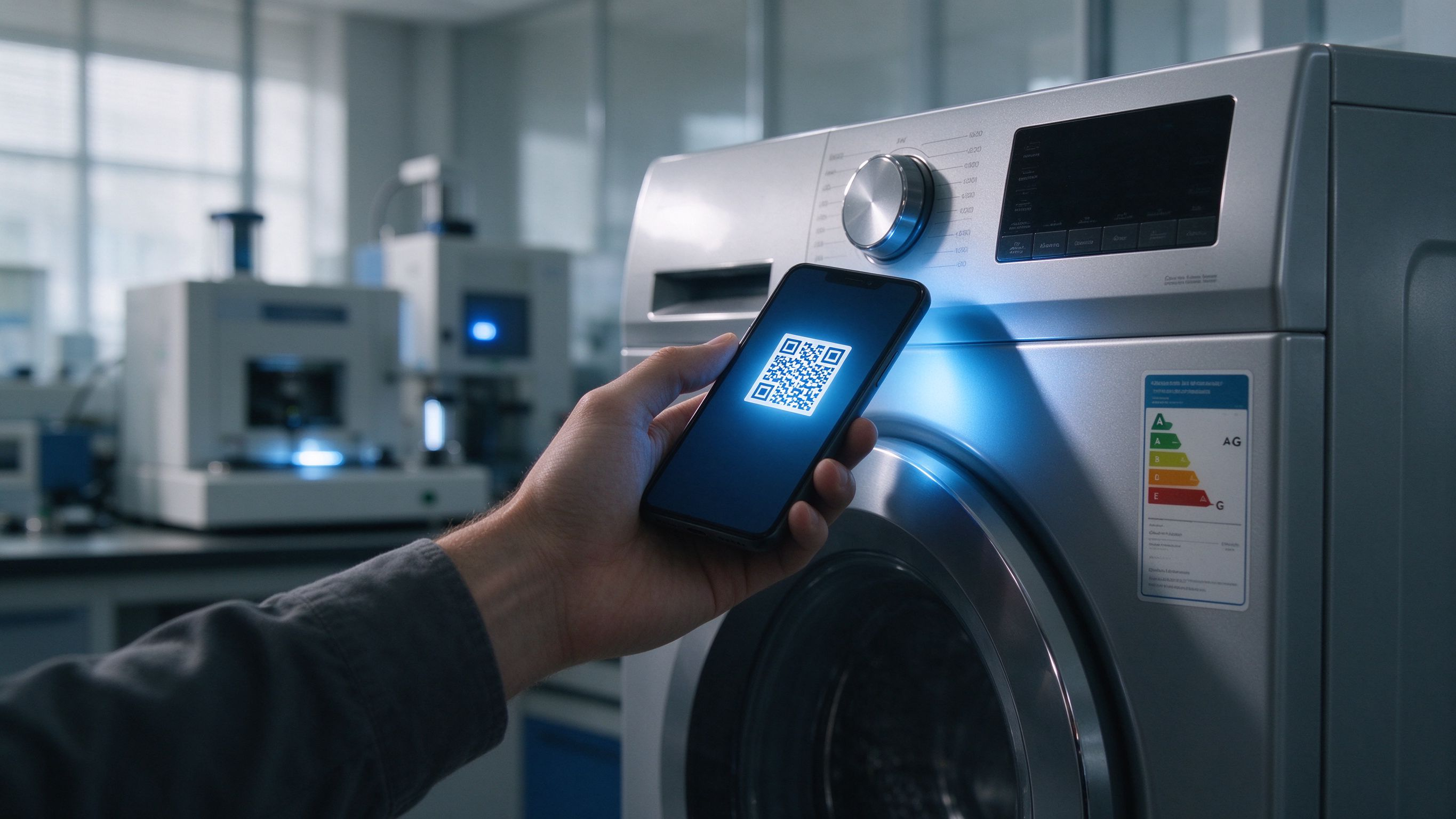
The European Union is revising the energy efficiency rating system for a range of household appliances. The old labeling system used grades such as A+++/A++/A+, while the new system has been simplified to seven levels, ranging from A to G, and now includes a QR code that links directly to the European Product Energy Label Database (EPREL).
What does this mean?
First, the energy efficiency of the product must be recalculated.The grading system has changed, and the same product may drop from the "highest grade" to the "medium grade" under the new labeling system. Companies need to conduct energy efficiency tests again to obtain new grading data.
Second,EPRELRegistration has become mandatory.New labels featuring a QR code must have the product information registered in the EU's EPREL database. Without registration, the label is non-compliant.
Third, market inspections will become stricter.A QR code is like creating a "digital record" for a product; regulatory authorities can scan it to access all the specifications. Misrepresenting energy efficiency ratings or falsifying specifications can be easily detected.
Product categories for which the requirements have already taken effect include: space heaters, water heaters, and heat pump clothes dryers (mandatory as of July 1, 2025). The reclassification of energy efficiency labels for additional product categories is currently underway.
02 New Regulations on Standby Power Consumption:2025Year5The regulation has taken effect

The new EU ErP Standby Power Regulation (EU) 2023/826 has been in effect since May 9, 2025. The previous regulation (EC) No. 1275/2008 has been repealed.
Key Changes: Power consumption limits for standby and off modes have been further tightened. For home appliances, this isn’t simply a matter of “testing one additional parameter”; it may require optimizing power supply designs, replacing chips with lower power consumption, and adjusting software strategies.
Common Pitfalls:
- The "standby" mode on many smart home appliances actually involves an internet connection, and the power consumption limits for devices connected to the internet differ from those in regular standby mode; the two should not be conflated.
- Smart home appliances with Wi-Fi and Bluetooth must also meet cybersecurity requirements; it is not enough to simply measure their power consumption.
03 New in 2026:HFC Refrigerants and Cybersecurity
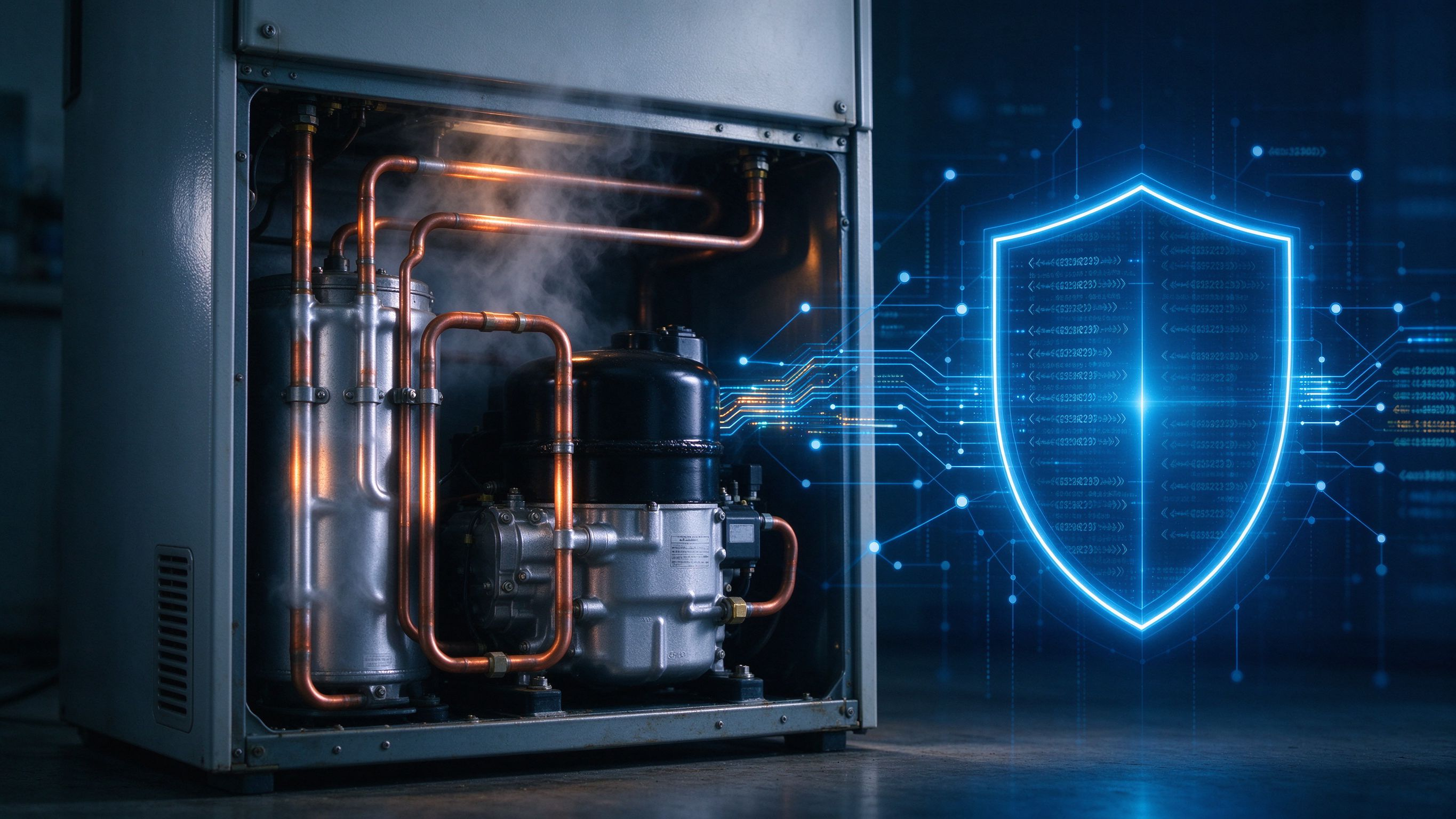
HFCNew Requirements for Prefilled Products:Effective January 1, 2026, EU importers and manufacturers of products containing pre-charged hydrofluorocarbons (HFCs)—such as refrigerators, air conditioners, and heat pumps—must use the new Declaration of Conformity (DoC) template, maintain the relevant documentation, and, in certain cases, obtain verification from an independent auditor.
The Network Resilience Act (CRA): EU CRA Act, which takes effect in 2026, establishes cybersecurity requirements for all products containing digital components (including smart home appliances). Smart refrigerators, smart washing machines, smart air conditioners—any product capable of connecting to the internet must meet the CRA security baseline requirements.
04 North American Market: UL + FCC +DOE—not a single one can be omitted

For home appliances exported to the U.S., these three core certifications are all essential:
UL Certification—The entry requirement for North American retailers. UL The 60335 series of standards addresses home appliance safety, covering appliances for household and similar uses.
FCC Certification —Mandatory electromagnetic compatibility requirements. Standard home appliances require an SDoC, while those with wireless functionality require FCC ID.
DOEEnergy Efficiency—The U.S. Department of Energy (DOE) sets minimum energy performance standards (MEPS) for home appliances, covering major categories such as refrigerators, washing machines, dryers, dishwashers, and air conditioners.
It is worth noting that in January 2026, China’s SAMR adjusted the CCC certification model for 16 product categories, changing the certification process for some products from “type testing + factory inspection” to “self-declaration + conformity.” This has a direct impact on companies selling domestically and those shifting from export to domestic sales.
05 The Four Most Easily Overlooked Compliance Details

1. It’s not enough to simply affix the energy efficiency label. EPREL registration, QR codes, and the new classification system—these three steps must be completed simultaneously. Simply replacing the label without registering is equivalent to not replacing it at all.
2. The scope of compliance for smart home appliances is broader than you might think. Connectivity isn’t just “adding a Wi-Fi module”—it triggers a whole new set of requirements: the RED Directive, CRA cybersecurity, and ErP standby power consumption (when connected).
3. Compliance with HFC refrigerants involves more than just usage quantities. Starting in 2026, in addition to the content requirements for the refrigerant itself, there will be procedural requirements such as updates to the DoC template, document retention, and independent audits.
4. Energy efficiency standards for different markets are not interchangeable. The EU’s ErP and the U.S. DOE are two separate systems with different testing methods, limit values, and labeling requirements. Compliance with CE does not guarantee entry into the U.S., and vice versa.
06 Arnool Testing : One-stop compliance services for home appliance exports

Suzhou Arnool Testing and Certification , providing home appliance exporters with full-range testing and certification services covering major markets such as the EU, North America, Japan, and South Korea:
· EU Market: CE-LVD/EMC/ RoHS Full suite of tests, ErP energy efficiency testing (standby power consumption, energy efficiency index), guidance on EPREL registration for the new energy efficiency label, RED wireless certification, CRA cybersecurity pre-assessment.
· North American Market: UL/ETL Home Appliance Safety Certification, FCC SDoC/ID Certification, DOE Energy Efficiency MEPS Testing.
· Special Product Categories: HFC refrigerant content testing and DoC template updates; testing for all categories of home appliances, including refrigerators, air conditioners, heat pumps, washing machines, and dryers.
· Material Compliance: RoHS Testing for 10 substances, REACH SVHC screening, and compliance testing for packaging materials.
Compliance for home appliance exports has evolved from simply “obtaining a certificate” to “ongoing compliance.” Labels must be updated, energy efficiency must be retested, and cybersecurity must be assessed—rather than waiting for customer complaints or customs spot checks, it’s better to conduct a comprehensive compliance assessment in advance.