

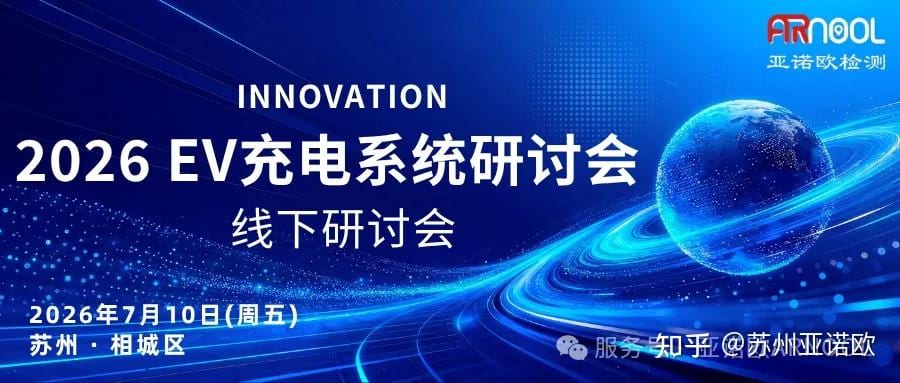
Recently, a seminar focusing on core topics such as EV charger international regulations, safety standards, cross-border compliance, V2G, and high-power charging was successfully held. This seminar brought together senior customs experts and technical instructors specializing in industry standards. Aimed at EV charger manufacturers, R&D firms, and exporters, it provided a comprehensive breakdown of the latest domestic and international compliance requirements, technical standards, and customs credit management policies, establishing an authoritative platform for industry exchange regarding global expansion and product development.
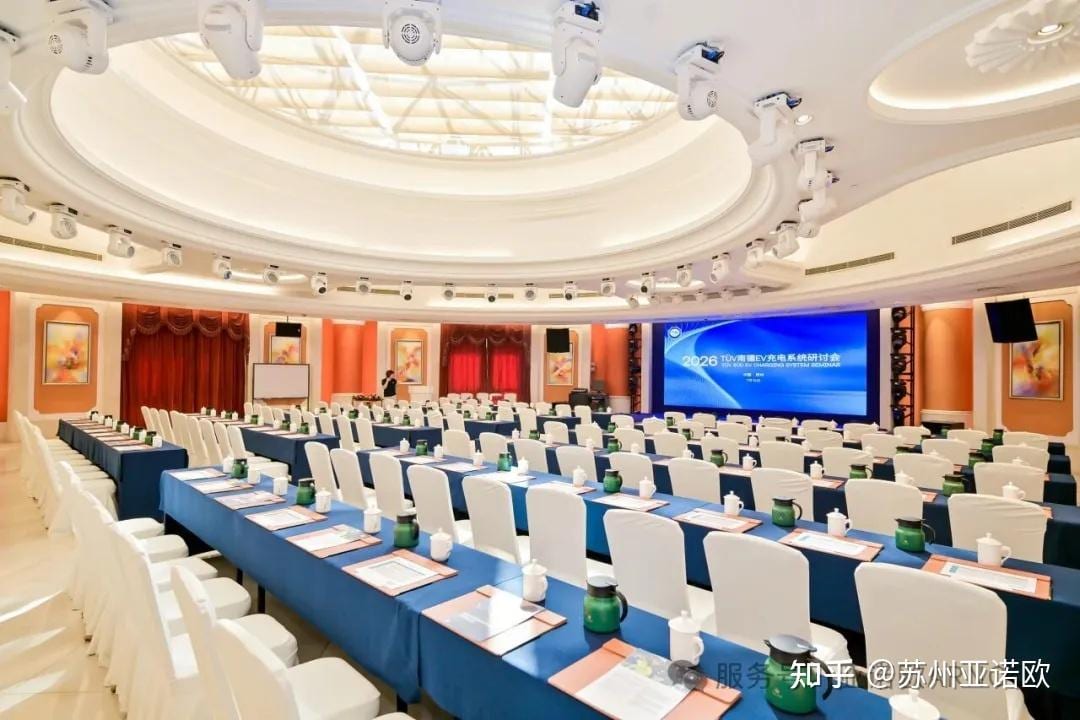
The event officially began with registration at 9:00 a.m., as technical, compliance, and international trade managers from participating companies arrived one after another, creating a lively atmosphere of on-site exchange.
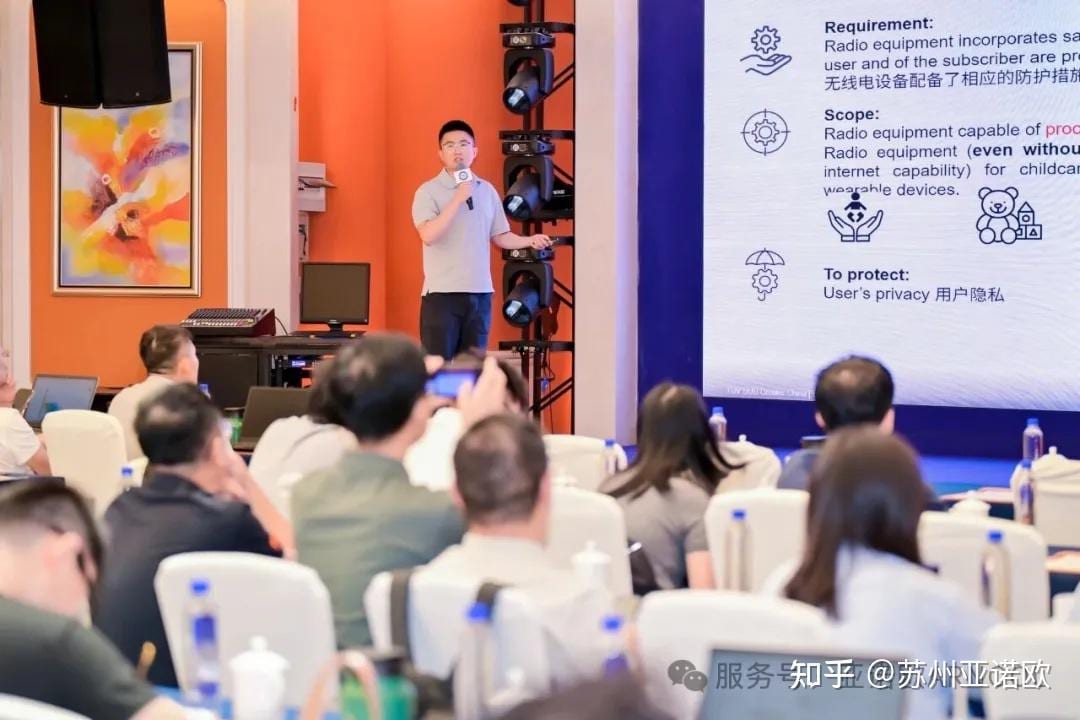
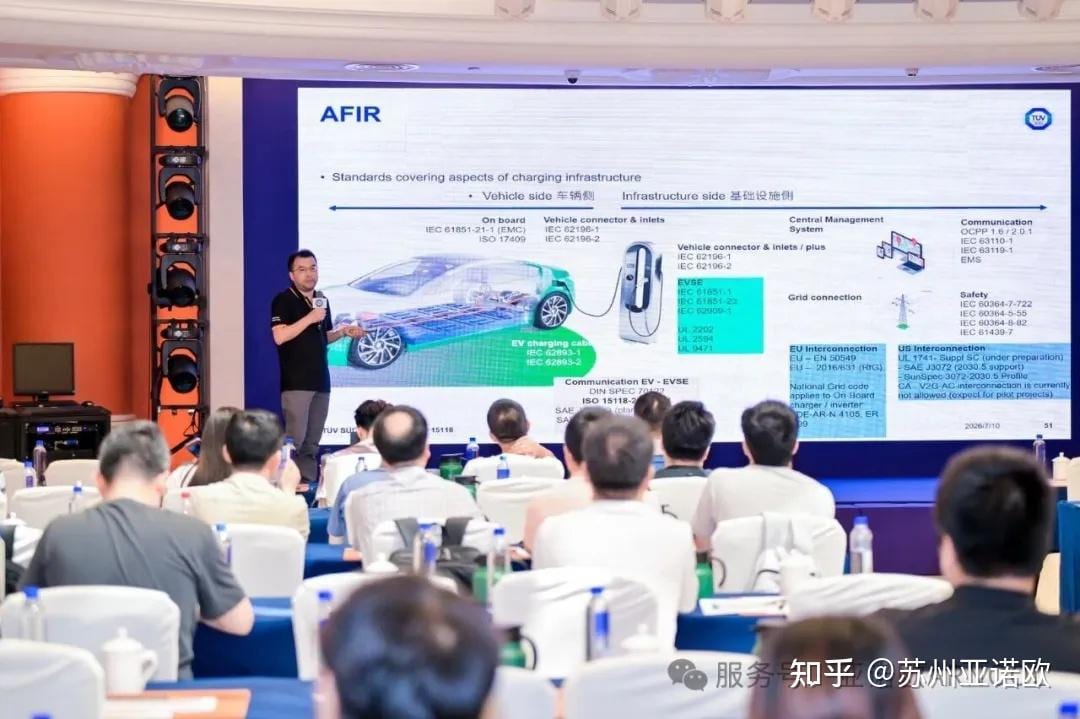
During the morning session, experts began by providing an in-depth interpretation of the AFIR regulatory framework and the latest safety standards IEC 61851-23/IEC 61851-1. They meticulously analyzed the EU’s mandatory safety provisions for charging equipment, offering clear technical guidance for EV charger product development and export certification. This was followed by a presentation on EV charger wireless information security under the EU’s RED framework. By integrating the two core standards—EN 18031 and ETSI EN 303 645, enabling attendees to gain a comprehensive understanding of cybersecurity compliance challenges and implementation solutions in smart EV charger connectivity scenarios.
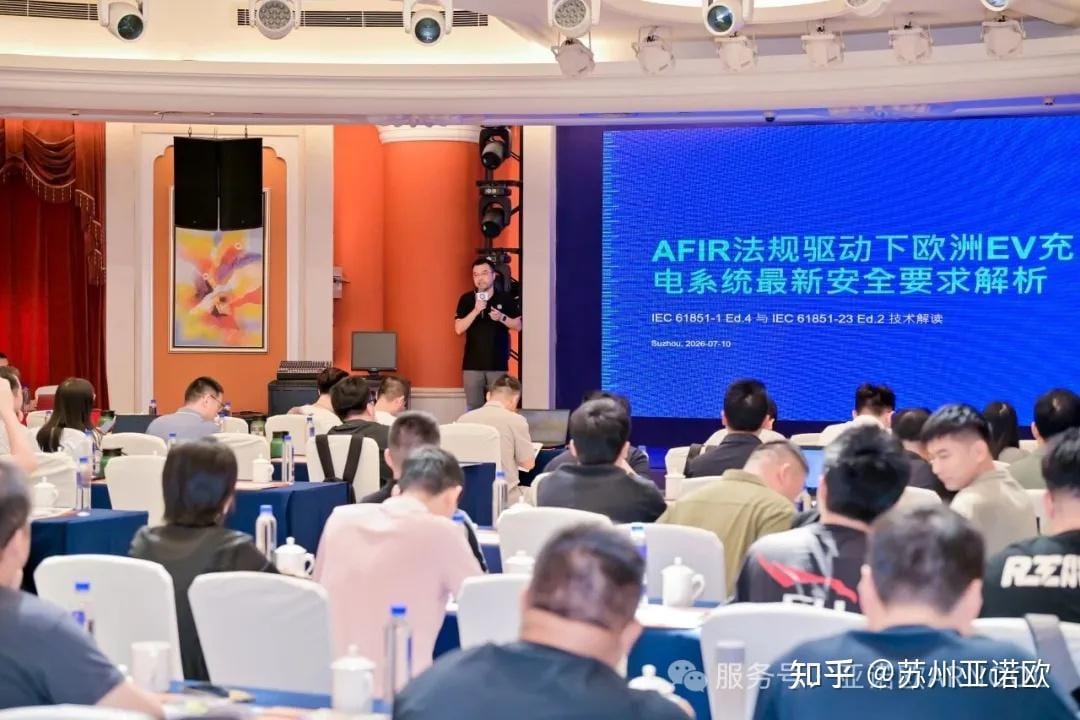
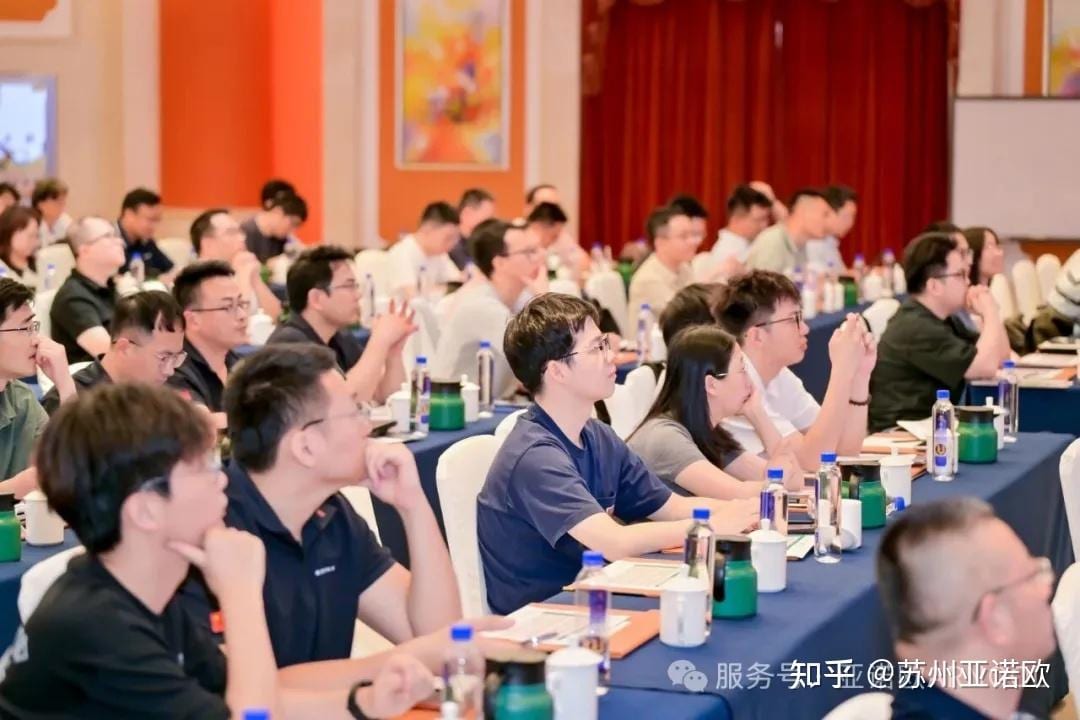
Subsequently, a senior customs engineer from Suzhou delivered an exclusive government-industry session, providing a comprehensive interpretation of policies related to EV charger corporate customs credit management. He outlined key practical points—including credit ratings, customs clearance facilitation, and risk prevention and control—offering official, authoritative guidance to help companies expanding overseas mitigate cross-border operational risks.
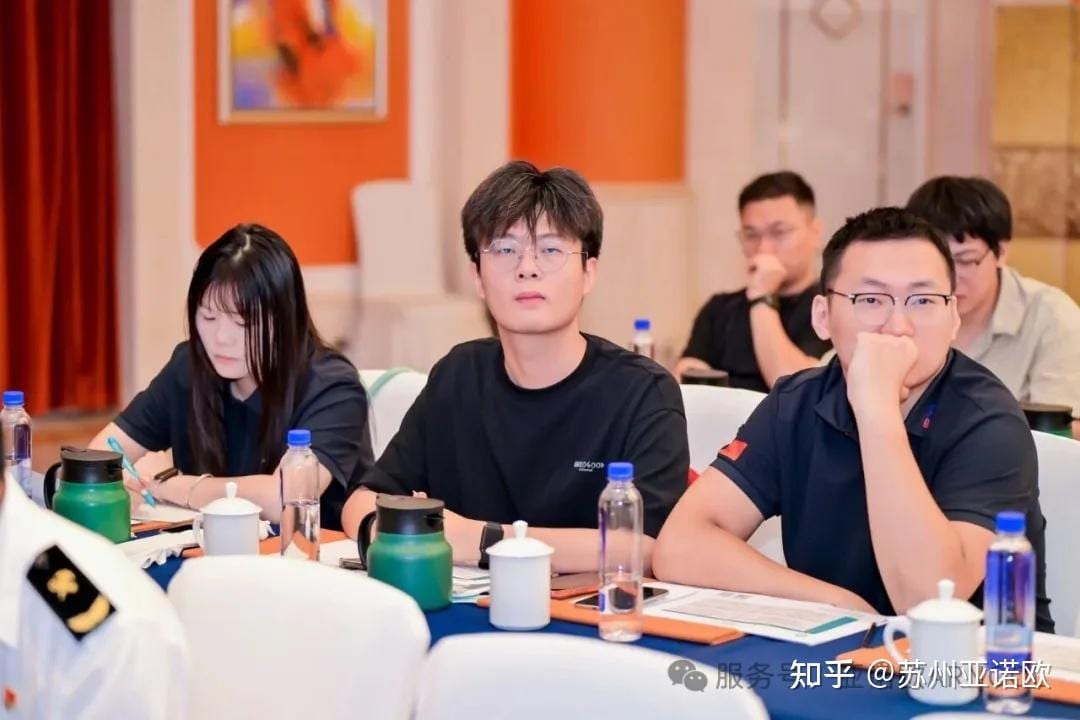
After lunch, the seminar maintained its momentum. Experts focused on CRA interpreting the regulatory framework—including IEC 62443-4-1 and IEC 62443-4-2 industrial control network security standards, clarifying the compliance and protection logic for charging backends and equipment control systems; they also explained the safety requirements for ISO 15118 standards under the AFIR regulations, V2G safety requirements for vehicle-to-grid interaction and bidirectional power transfer under the AFIR regulations, helping attendees stay abreast of the latest updates to European regulations on bidirectional charging infrastructure.
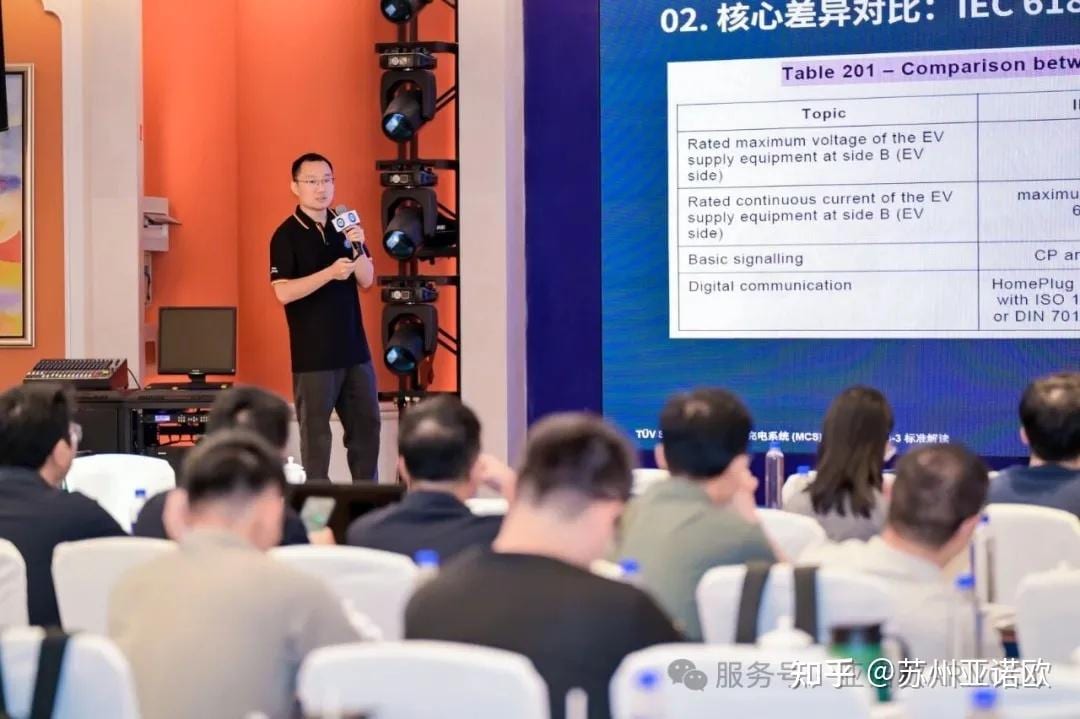
Following a brief coffee break, experts will provide a detailed explanation of the new IEC 61851-32-3 standard for megawatt-class MCS high-power charging systems and offer a forward-looking perspective on the development path of high-power charging technology for heavy-duty trucks; They then focused on core components—charging plugs, sockets, and connectors—outlining the differences in the latest global component standards and key testing points to address knowledge gaps in equipment component selection and certification.
A dedicated Q&A session was held at the end of the presentation, where multiple industry experts jointly addressed questions and actively engaged with attendees, providing detailed answers to various practical business challenges—including EU certification, V2G product testing, customs credit ratings, high-power equipment R&D, and compliance for connectors entering overseas markets, effectively resolving numerous pain points enterprises face during implementation.
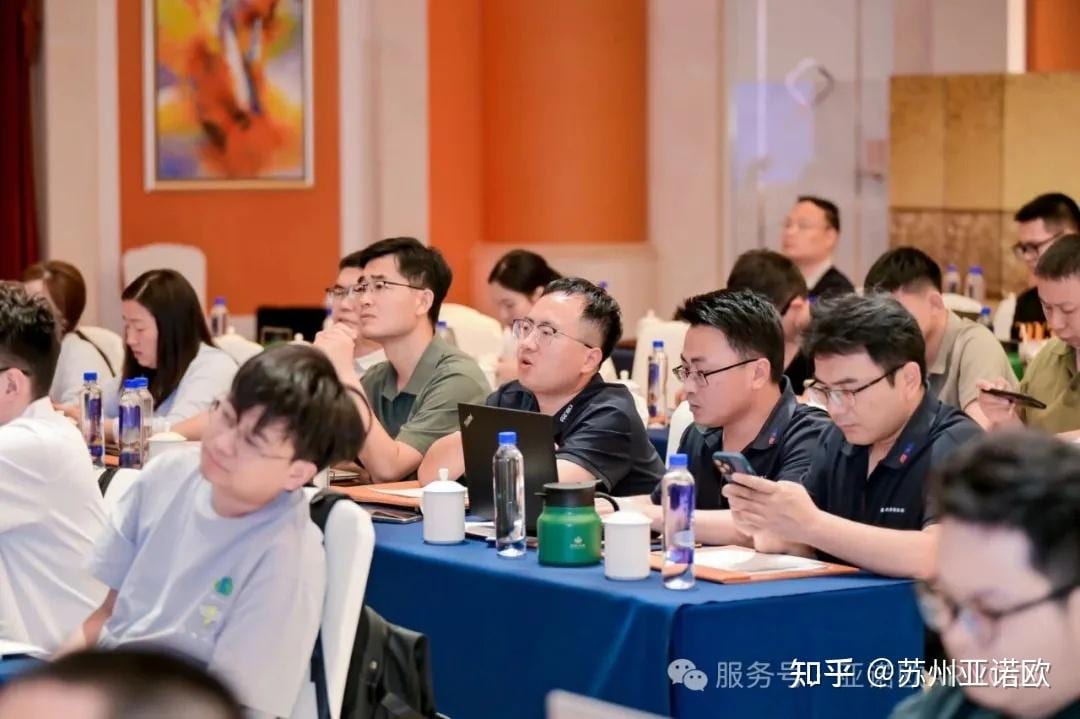
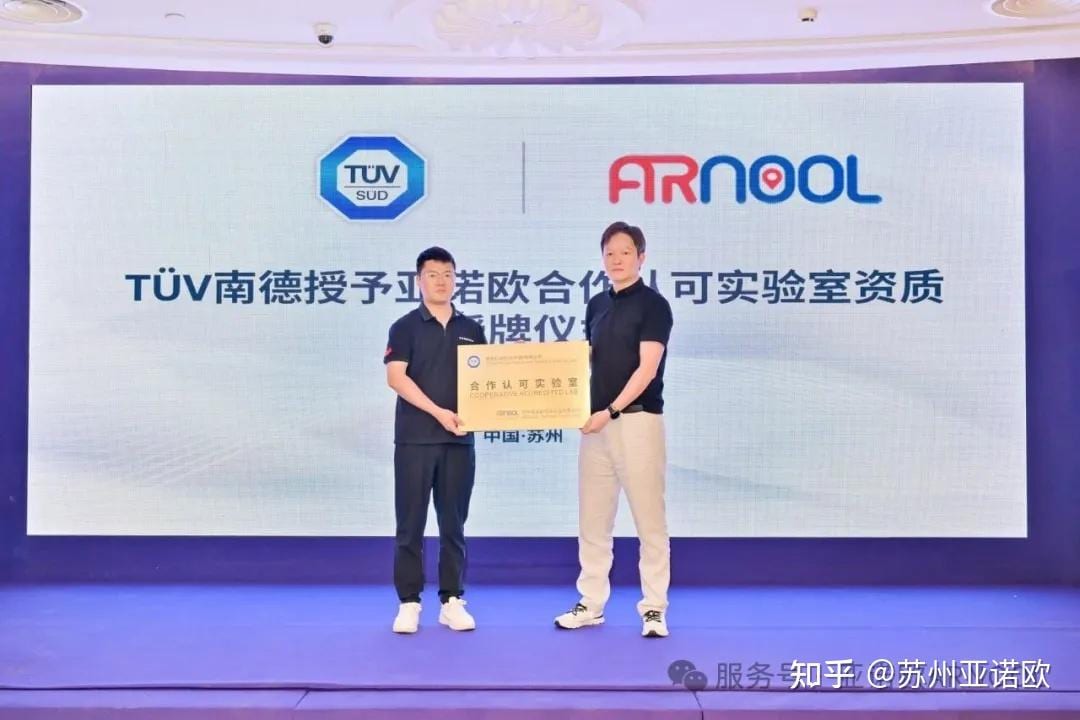
This seminar provided a platform for professionals in the EV charging system sector to exchange ideas and promoted the dissemination of technical and regulatory knowledge.
As a TÜV TÜV SÜD-accredited partner laboratory, Arnool looks forward to continuing to work with you in the future to propel the EV charging systems industry to new heights! We welcome collaboration for mutual benefit and shared success!