

ISO 15118 In-Depth Analysis Series Table of Contents
Part 1: Essential Courses for the Future of Global EV charger: PnC (Plug-and-Charge) + V2G (Vehicle-to-Grid Interaction)
WeChat Official Account: Arnool ARNOOL ISO 15118 In-Depth Analysis Series | Part 1: Essential Lessons for the Future of Global EV charger: PnC (Plug & Charge) + V2G (Vehicle-to-Grid Interaction)
Part 2: Say Goodbye to Slow QR Code Scanning! Plug & Charge: The Future of Charging—Just Plug In and Go
Part 3: Earn Money While Parking: How V2G Turns EVs into the Power Grid’s “Mobile Power Reserves”
Part 4: ISO 15118-2 Illustrated Guide to the Entire Charging Process: From Communication Handshake to High-Voltage Circuit Verification—All Explained in One Article
Part 5: One Car = One Power Station? ISO 15118-20: Turning V2G from Concept to Reality
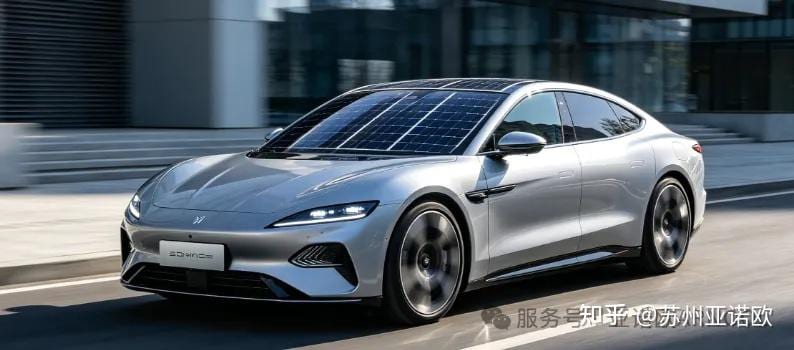
Many new energy vehicle owners face these charging headaches: poor QR code scanning signals, laggy apps, and forgetting their physical cards—all of which make the process extremely cumbersome.
The widespread adoption of Plug & Charge (PnC) has finally made charging electric vehicles truly “as simple as filling up at a gas station.”
1. What Is Plug & Charge? Understanding the Core in One Sentence
The core concept is this: simply plug in to start charging—no need to scan a QR code, swipe a card, or open any app.
Once you drive into the EV charging station, plugging in automatically triggers device recognition and authorizes charging; When charging is complete, simply unplug and drive away—the fee is automatically deducted. The entire process is seamless and efficient, streamlining the multi-step charging process into just three steps: “plug in—charge—unplug.”
2. The underlying logic of Plug & Charge: How does “plug-and-charge” work?
It is underpinned by the ISO 15118 international standard and relies on a rigorous security system to ensure safety and billing accuracy. The core technologies include four key elements:
- TLS Encryption : Establishes a dedicated encrypted channel to prevent information theft and tampering;
- PKI Certificate System: Similar to online banking authentication, it verifies the legitimate identities of the vehicle and the charging station;
- Vehicle Contract Certificate: The vehicle’s “electronic ID,” serving as the core credential for EV charger identification;
- Digital certificate within the EV charger’s SECC module : The EV charger’s “electronic certification,” ensuring lawful operation.
Automated charging process (no manual intervention required):
- Connect the charging gun to the vehicle and EV charger;
- The vehicle and charging station perform a basic handshake ( SDP Service Discovery )
- Automatically establish a TLS-encrypted communication channel;
- The vehicle sends its contract certificate to verify its legitimate identity;
- EV charger verifies the certificate chain and confirms its validity;
- Charging is automatically authorized; upon completion, billing and payment are processed automatically, and the charging gun is disconnected before the vehicle departs.
The latest ISO 15118-20 (replacing the original ISO 15118-2) also supports wireless charging and safer, more efficient, and smarter bidirectional power transfer, paving the way for the future charging ecosystem.
As a key safeguard for the implementation of the ISO 15118 standard, Arnool Testing leverages its professional technical capabilities and accredited qualifications to provide automotive manufacturers and charging equipment vendors with comprehensive ISO 15118 standard testing, certification, and technical consulting services, helping products precisely meet international standard requirements and laying a solid quality foundation for the safe implementation and widespread adoption of Plug & Charge technology.
3. Why Is the World Pushing for Plug & Charge? 4 Core Advantages
01 For Users: Say Goodbye to the Hassle of Charging
Problems such as slow QR code scanning, poor signal, and dead or disconnected phones are all resolved. “Plug-and-charge” enables “seamless charging,” making travel more hassle-free.
02 For Operators: Reduce Costs and Improve Efficiency
No need to maintain QR code scanning systems or POS terminals, reducing payment failures and customer complaints. This significantly lowers O&M, hardware, and labor costs while improving EV charging station turnover efficiency.
Service providers such as LuChongChong have significantly increased service volume per charging station and reduced O&M costs after implementing PnC.
03 For Automakers and Charging Station Manufacturers: Unify Standards and Resolve Compatibility Issues
Based on the ISO 15118 standard, this enables “interoperability” between vehicles and charging stations of different brands, reduces compatibility issues, and drives the large-scale development of the charging ecosystem.
04 Regulatory Drive: Mandatory Global Policy Requirements
The European Union has explicitly required that all new high-power public DC EV charger charging stations support PnC (public stations ≥150 kW); the United States is strongly promoting this through standards such as NACS (though PnC is not mandatory); China is also accelerating the large-scale rollout of PnC.
4. Is it safe? Security on par with bank-level protection
No need to worry at all! PnC’s security is on par with online banking, relying primarily on ISO 15118’s four-level certificate chain system, which provides layered protection:
- V2G Root CA (Root Certificate): The authoritative top-level trust anchor and core basis for verification;
- OEM Sub-CA: Authorized by automakers to verify vehicle identity;
- Operator (MO) Sub-CA: Verifies the charging operator’s qualifications;
- EV charger (CPO) Sub-CA: Verifies the EV charger’s legal operating qualifications.
Charging is permitted only after all certificates have been successfully verified; any anomaly at any stage immediately terminates the process. TLS encryption ensures data security, safeguarding user rights at the source.
Plug & Charge: The “Standard Answer” for the Future of Charging
PnC not only addresses current charging pain points but also establishes the core framework for the future charging ecosystem. Over the next 3–5 years, PnC will first become widespread in high-end new energy vehicles and public fast-charging stations rated at 150 kW or higher, gradually becoming the mainstream experience:
- It will become standard equipment in high-end new energy vehicles, serving as a core competitive selling point for automakers;
- It will become a mandatory requirement for public DC EV charger charging, replacing the traditional QR code scanning method;
- It will become a core competitive advantage for charging operators, enabling them to seize a first-mover advantage in the market.
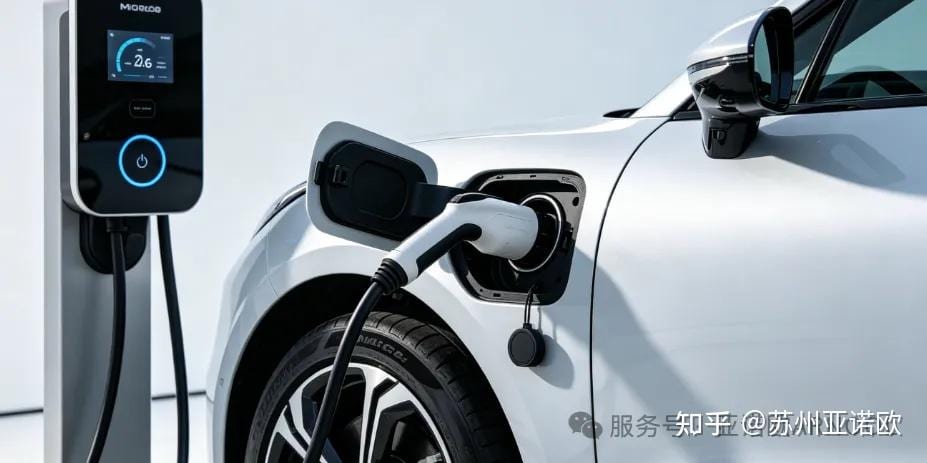
From “scanning a QR code to charge” to “plug-and-charge,” PnC represents a revolution in the charging experience and a sign of the maturity of new energy mobility. In the future, charging will truly be “as simple as filling up at a gas station.” Arnool will also continue to support this charging revolution with standardized, professional services.
Do you look forward to your car supporting PnC? Share your charging pain points in the comments section~
Follow us—in the next episode, we’ll discuss: V2G What is it? ISO 15118 How can an electric vehicle become a “mobile power station”?
#Plug & Charge, ISO 15118, Automatic Authentication, EV charger, Smart Charging