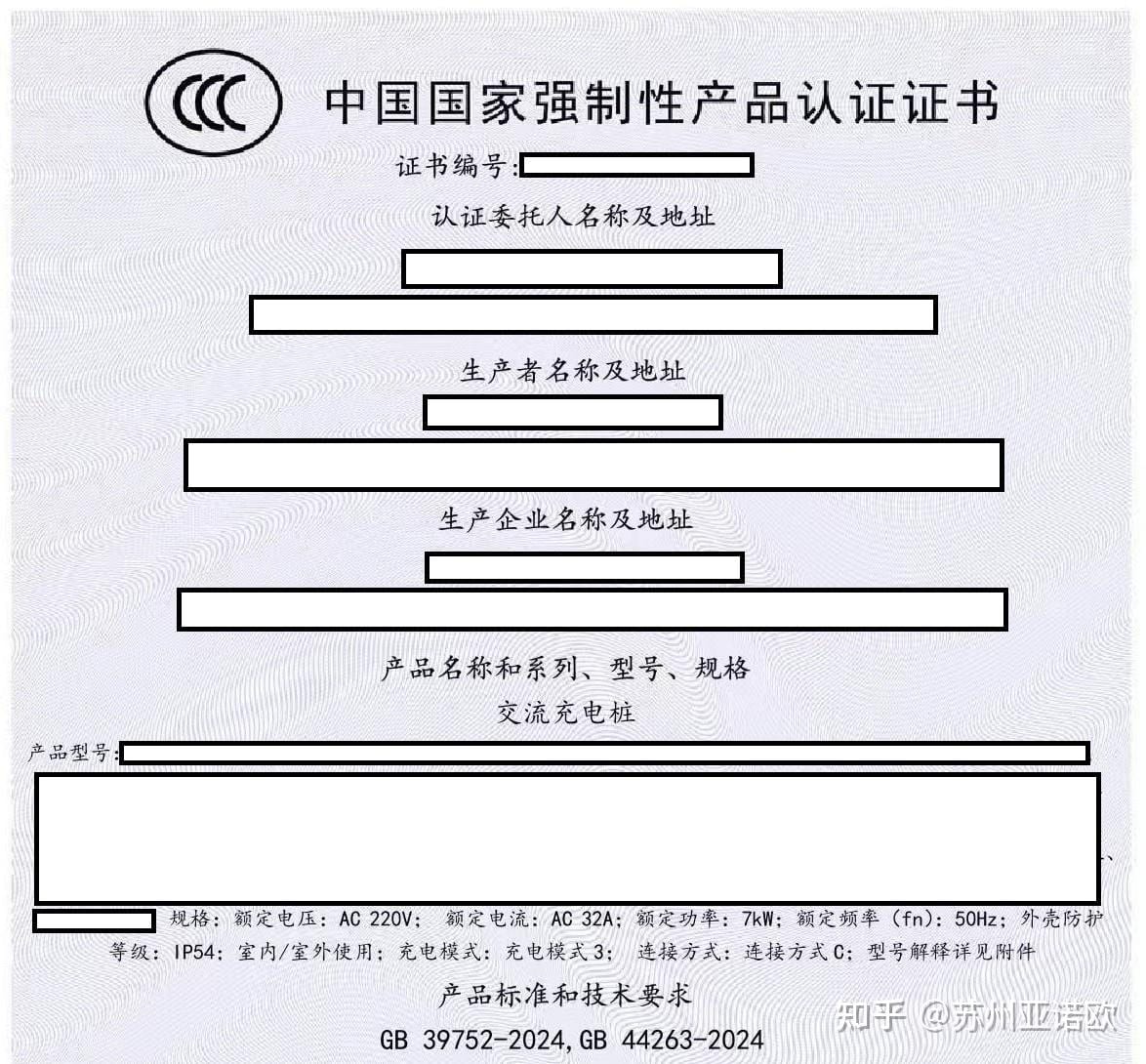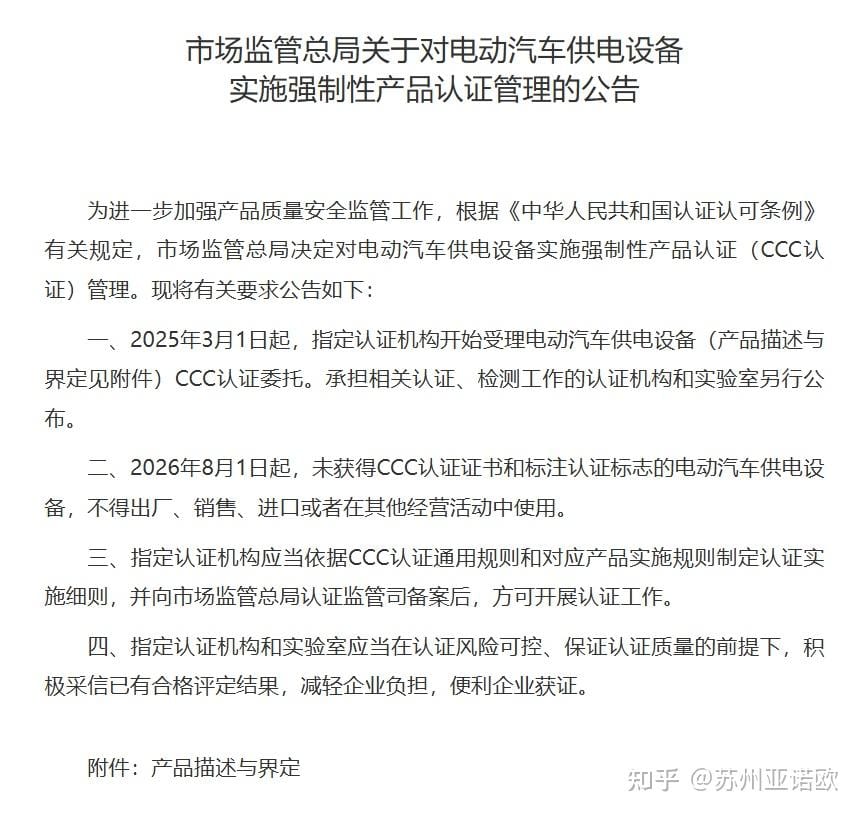
Following the implementation of 3C certification for power banks, the charging industry is facing its “ultimate test” of safety and compliance! Effective August 1, 2026, EV charger devices that have not obtained 3C certification will be strictly prohibited from leaving the factory, being sold, imported, or put into use. Devices that fail to comply by the deadline will be forcibly withdrawn from the market, officially kicking off a major shake-up in the industry, as announced by the State Administration for Market Regulation.
Policy Introduction: Addressing the Industry’s Safety Pain Points
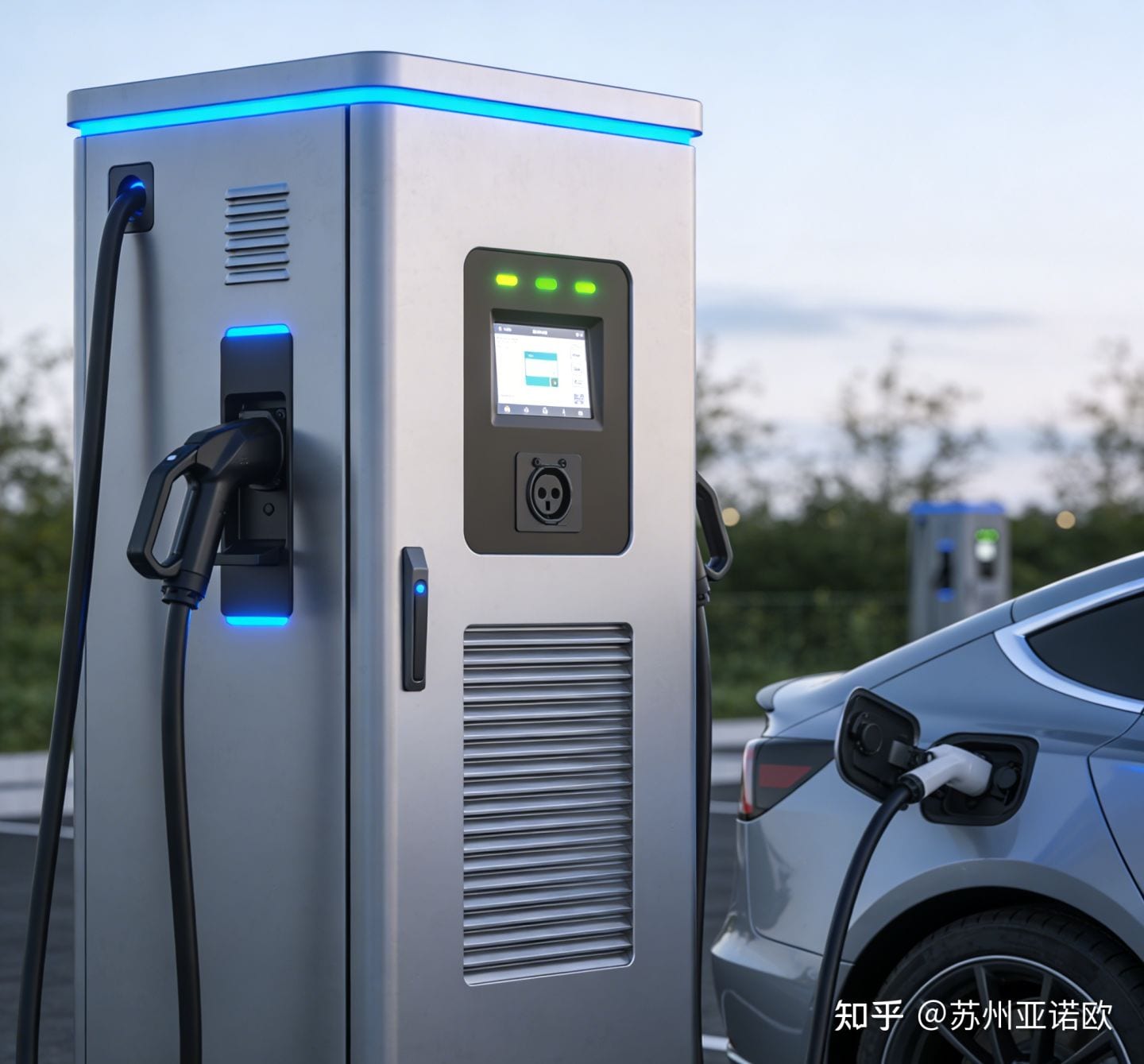
In recent years, charging safety incidents have occurred frequently, and the industry’s quality issues urgently need to be addressed. According to spot-check data from the State Administration for Market Regulation, the non-compliance rate for EV charger products is nearly 30 percent. Fourteen batches of products were found to pose safety hazards, with some even suspected of being counterfeit—the safety risks are alarming, according to the State Administration for Market Regulation.
This 3C certification is not a “one-size-fits-all” approach, but rather relies on the mandatory standards established by the *Product Quality Law*. It covers 178 core safety indicators—a significant upgrade from the 42 in the old standard—encompassing key dimensions such as electrical safety, electromagnetic compatibility, and environmental adaptability. It specifies stringent requirements, including insulation resistance ≥10 MΩ, protective grounding resistance ≤ 0.1 Ω, and resistance to extreme temperatures ranging from -40°C to 85°C, thereby fortifying safety defenses at the source—State Administration for Market Regulation.
Corporate Upheaval: A Matter of Life and Death Looms Ahead
The implementation of these policies has already triggered a chain reaction across the industry. State Grid and China Southern Power Grid have taken the lead in adjusting their procurement standards, refusing to accept equipment without 3C certification—a move that has directly resulted in the residual value of used, non-compliant equipment dropping to zero. State Administration for Market Regulation.
Small and medium-sized manufacturers are advised to prioritize certification for their flagship models, coordinate with authorized agencies to accelerate compliance, and simultaneously optimize their supply chains and safety management systems. State Administration for Market Regulation.
3C Certification: Guaranteeing Safe Charging
China has officially included EV charger in the CCC mandatory product certification system. Similar to wires and cables, relevant products must obtain certification before they can be marketed and sold. This mandatory certification covers AC EV charger, in-vehicle chargers, and various types of DC charging equipment—including integrated, split-type, and portable models—while battery-swapping and wireless charging equipment are temporarily excluded from the mandatory scope.
According to policy arrangements, starting August 1, 2026, the sale of charging equipment without CCC certification will be completely prohibited. Faced with a tight compliance timeline, many domestic small and medium-sized EV charger enterprises will face enormous pressure to comply and remain in business.
Arnool Comprehensive Support Services
EV charger 3C Certification
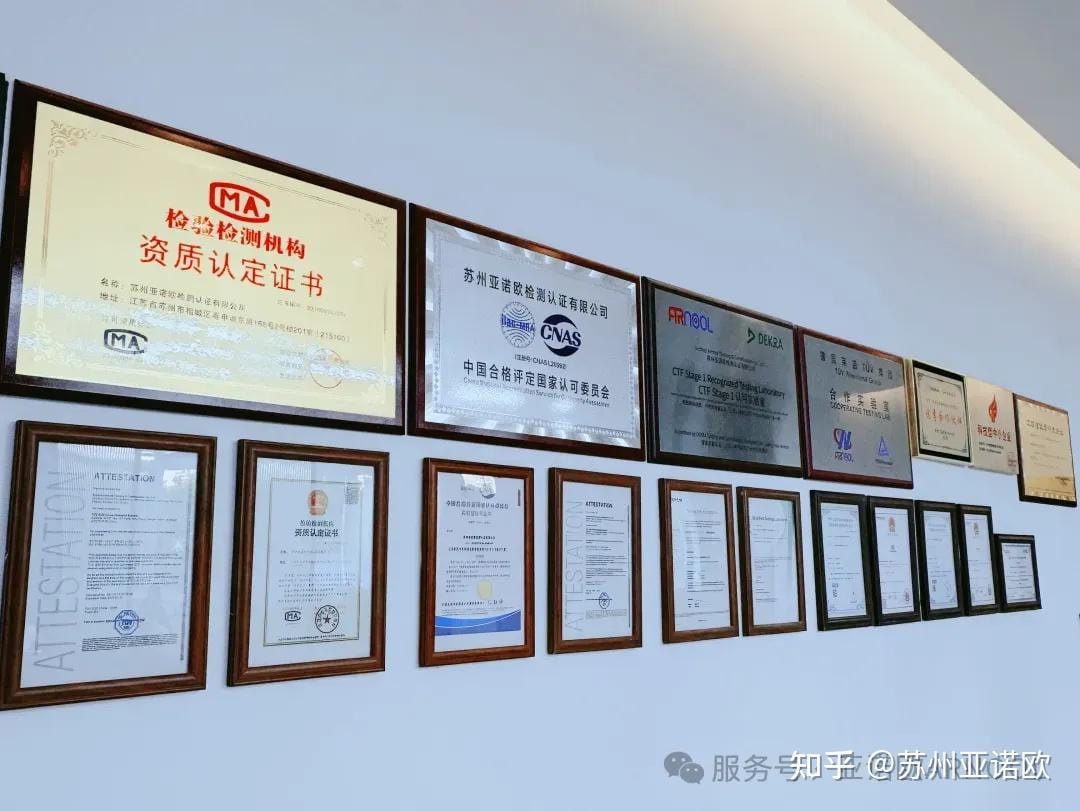
Faced with tight compliance deadlines and stringent certification standards, Arnool, leveraging its authoritative credentials, professional technical team, and extensive service experience, provides EV charger enterprises with a “full-process agency service + comprehensive support at every stage” one-stop 3C certification solution, helping companies efficiently pass certification, successfully navigate industry compliance challenges, and avoid the risk of being forced out of the market.
End-to-End Agency Services
Initial Consultation and Compliance Assessment
Arnool We assign professional engineers with deep expertise in new energy testing to provide enterprises with free one-on-one consultations, offering precise interpretations of EV charger 3C certification policies, the 178 safety indicators, and key challenges in the certification process. At the same time, we conduct a comprehensive product compliance assessment to identify gaps against standards, clarify corrective actions, and issue an assessment report—helping companies avoid certification risks and prevent delays caused by inadequate preparation.
Document Organization and Submission
Arnool Our professional team assists companies in organizing a complete set of certification documents (business license, drawings, instruction manuals, technical specifications, list of key components, etc.) in accordance with 3C certification requirements, ensuring they are standardized and complete. A dedicated representative is responsible for submitting documents to the certification body, tracking the audit progress throughout the process, and promptly addressing requests for supplementary information or revisions. Companies do not need to handle these matters themselves, saving on labor costs.
Sample Testing and Technical Corrections
Once the documentation review is approved, Arnool assists companies in selecting and shipping samples. Working with a laboratory, we conduct comprehensive testing across all 178 3C certification criteria and issue a report. We provide one-on-one guidance for rectifying non-conformities, helping companies quickly meet standards and improve the pass rate.
Certification Audit and Certificate Collection
After the factory inspection is passed, Arnool follows up on the final audit, provides timely feedback, and assists in resolving any issues. Upon successful audit completion, the 3C certificate is collected and delivered immediately, and guidance is provided on the proper affixing of the 3C mark. Post-certification monitoring services are also provided to assist with annual surveillance sampling and ensure the company’s long-term compliance.