

Click the blue text
to follow us
Tip
What Is ESG?
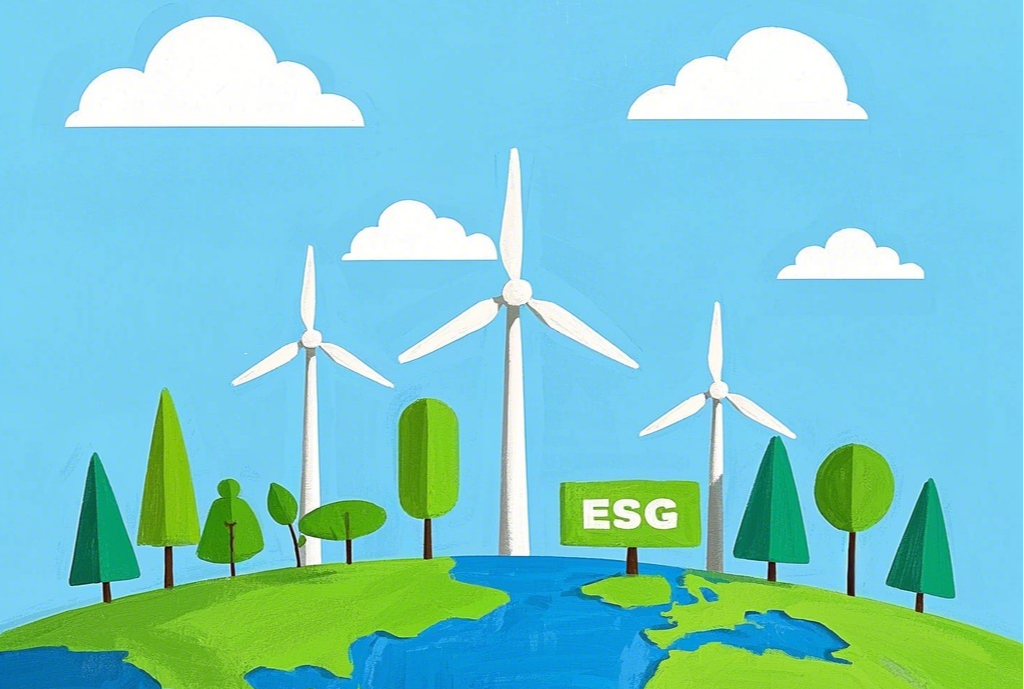
ESG stands for Environmental, Social, and Governance. It is a framework used to evaluate an organization’s business practices and performance regarding sustainability and ethical issues, while also providing a means to measure business risks and opportunities in these areas. In capital markets, some investors evaluate companies and formulate investment plans based on ESG criteria—a practice known as ESG investing.
Current ESG-Related Policies
The policy initiatives in the ESG sector outlined in the 2025 Government Work Report provide a clear direction for the sustainable development of China’s economy and society. From green transformation to social equity and governance upgrades, these measures collectively paint a blueprint for comprehensive green development.
For enterprises, keeping pace with policy directions, strengthening green technological innovation, actively fulfilling social responsibilities, and enhancing internal governance and risk management will be key to achieving long-term, steady development. As the policy and market environments continue to evolve, enterprises should, while driving their own development, closely align with the nation’s green and low-carbon development strategy to contribute to the sustainable economic and social development of China.
Tip
ESG Development Trends
01
Data and Technology-Driven
Data and Technology-Driven:
With the advancement of technologies such as artificial intelligence (AI), machine learning, and natural language processing, the collection, analysis, and verification of ESG data will become more efficient and accurate. These technologies can extract valuable ESG information from vast amounts of unstructured data—such as corporate reports and news articles—thereby reducing reliance on voluntary corporate disclosures and improving the timeliness and accuracy of ESG assessments.
02
Convergence of Industry Standards:
Currently, there are various ESG standards and frameworks worldwide, such as the Sustainability Accounting Standards Board (SASB) and the Global Reporting Initiative (GRI). In the future, these standards and frameworks are expected to gradually converge, forming a more unified and universal ESG assessment system that will reduce the costs for companies associated with complying with different standards and improve the comparability of ESG information.
03
Integration into Core Business Strategy:
An increasing number of companies will recognize that ESG is not merely an add-on but is closely linked to their core business strategy. Companies will fully integrate ESG factors into every aspect of their operations—including product development, supply chain management, and marketing—to enhance their long-term competitiveness and sustainability.
The Necessity of Corporate ESG Certification
02
Meeting Investor Demands
Today, investors are increasingly factoring ESG considerations into their investment decisions. Companies with strong ESG performance are more likely to gain investor favor and attract greater capital inflows. Through ESG certification, companies demonstrate their efforts and achievements in sustainability to investors, thereby boosting investor confidence and reducing financing costs.
Enhancing Corporate Reputation
With consumers’ growing awareness of environmental protection and social responsibility, a company’s ESG performance directly impacts its public image. Companies that actively engage in ESG practices and obtain certification are more likely to earn consumer trust and recognition, thereby enhancing their brand value and market competitiveness. For example, consumers are more willing to purchase products or services from companies that prioritize environmental protection and safeguard employee rights.
Meeting Regulatory Requirements
Governments and regulatory agencies worldwide are imposing increasingly stringent requirements on corporate ESG disclosure and practices. By obtaining ESG certification, companies can ensure compliance with regulations and avoid risks such as fines and legal litigation resulting from violations.
Promoting Corporate Sustainability
The ESG certification process prompts companies to comprehensively review their business operations and identify risks and opportunities related to environmental, social, and governance issues. Based on this, companies can develop targeted improvement measures, optimize business processes, enhance resource efficiency, reduce operational risks, and achieve long-term sustainable development.
Tip
The Process for Obtaining ESG Certification
Step 1
Self-Assessment
Companies must first conduct a comprehensive assessment of their current status in environmental, social, and governance areas against ESG standards and frameworks.
Step 2
Select a Certification Body
Select a certification body with a strong reputation, professional expertise, and excellent service, such as Arnool, SGS, BV, and others.
Step 3
Submit the Certification Application
The company must first conduct a comprehensive assessment of its current status in environmental, social, and governance (ESG) areas against ESG standards and frameworks.
Step 4
On-site Audit
The certification body arranges for auditors to conduct an on-site audit of the company.
Step 5
Certification Decision
Based on the results of the on-site audit and the application materials submitted by the company, the certification body conducts a comprehensive evaluation and makes a certification decision.
Step 6
Continuous Improvement and Monitoring
After obtaining ESG certification, organizations must stay abreast of the latest developments and requirements in the ESG field and continuously improve their ESG practices. The certification body will also conduct periodic surveillance audits of certified organizations to ensure they continue to meet the certification standards.

ArnoolSupporting Organizations in Implementing ESG
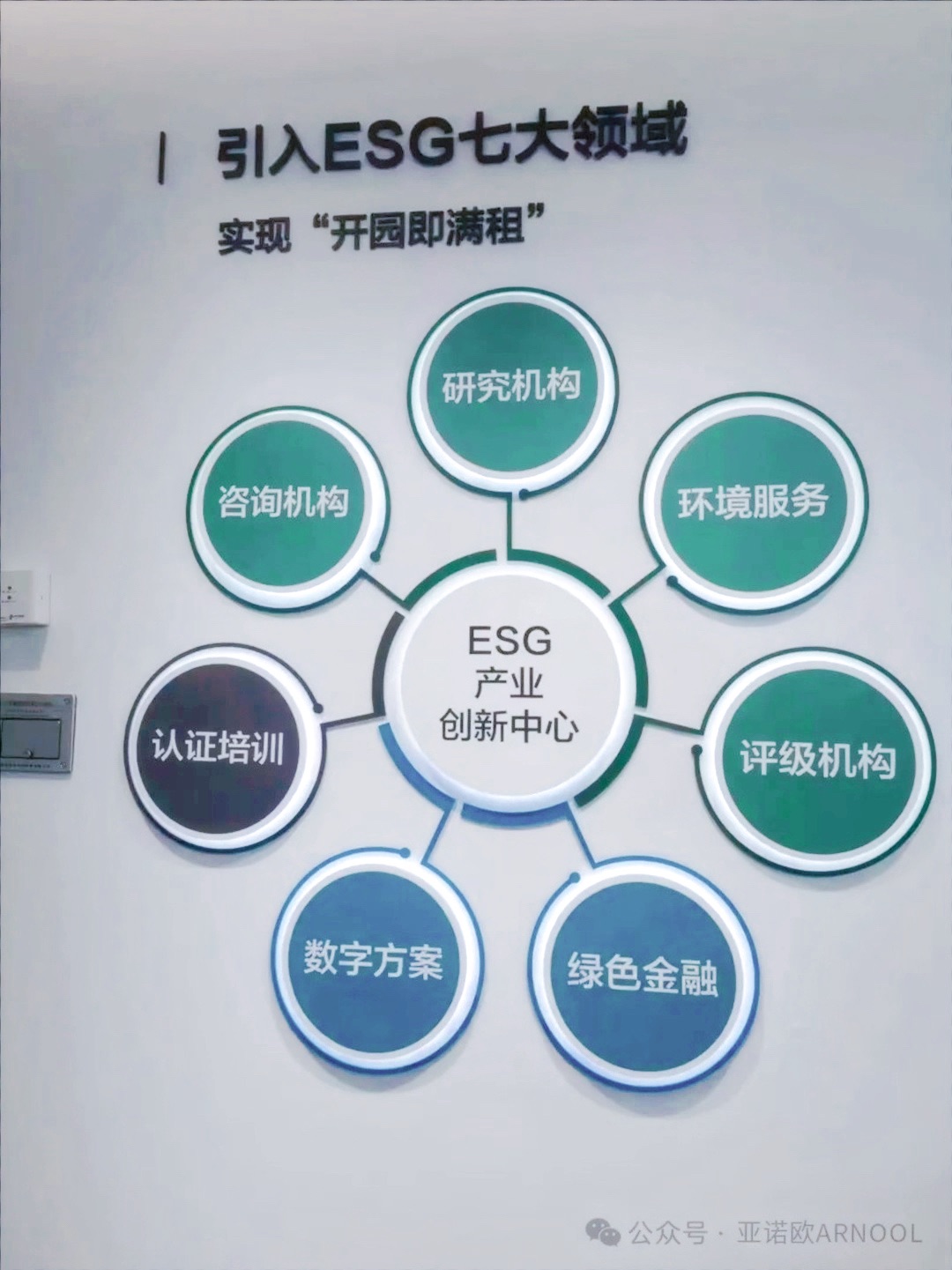
Amid the current trend driven by the “Dual Carbon” goals, Arnool leverages its deep expertise in the testing and certification sector to comprehensively support companies in implementing ESG principles, thereby injecting strong green momentum into their development.
Professional ESG Consulting, Assessment, and Certification
ESG, as a key standard for measuring a company’s sustainable development capabilities, encompasses three core dimensions: environmental, social, and governance. The professional ESG consulting services provided by Arnool help enterprises accurately identify potential environmental and social risks, formulate response strategies in advance, and avoid potential operational crises. Through scientific assessments, companies can gain a clear understanding of their current ESG status and areas for improvement, enabling them to develop practical and actionable sustainability strategies. Furthermore, Arnool’s certification services provide companies with an authoritative ESG label, enhancing their credibility and recognition in the market, attracting more partners and investors who prioritize sustainability, and broadening the channels of resources available for corporate development.
1
2
Building an ESG-Compliant Supply Chain System
Arnool extends its ESG services to every aspect of supply chain management, helping companies build supply chain systems that comply with ESG standards. Through this process, companies can ensure that their suppliers meet international standards in environmental, social, and governance areas. On the one hand, this enhances the sustainability of the entire supply chain and reduces potential risks arising from supplier non-compliance; on the other hand, it strengthens the supply chain’s competitiveness, giving enterprises a greater advantage in the global market. When a company’s supply chain meets high ESG standards, the company’s own market image and reputation are significantly enhanced, creating a virtuous cycle that drives its sustained and healthy development.
Industry Exchange and Experience Sharing
ArnoolActivelyparticipates in various green and low-carbon development forums and seminars, such as sharing the company’s insights on ESG industry-finance investment at the “ESG Industry-Finance Investment Sub-Forum” of the International Forum on Corporate Social Responsibility in Industry and Information Technology at the 4th China International Import Expo. Through such exchange activities, companies can gain access to cutting-edge industry information and advanced concepts, while learning from and drawing on the successful experiences of their peers. At the same time, Arnool’s active participation in forums also provides partner companies with more opportunities for exposure, enhancing their visibility and influence within the industry and creating favorable conditions for business expansion and partnership opportunities.
3
If you require ESG-related services, please feel free to contact us!
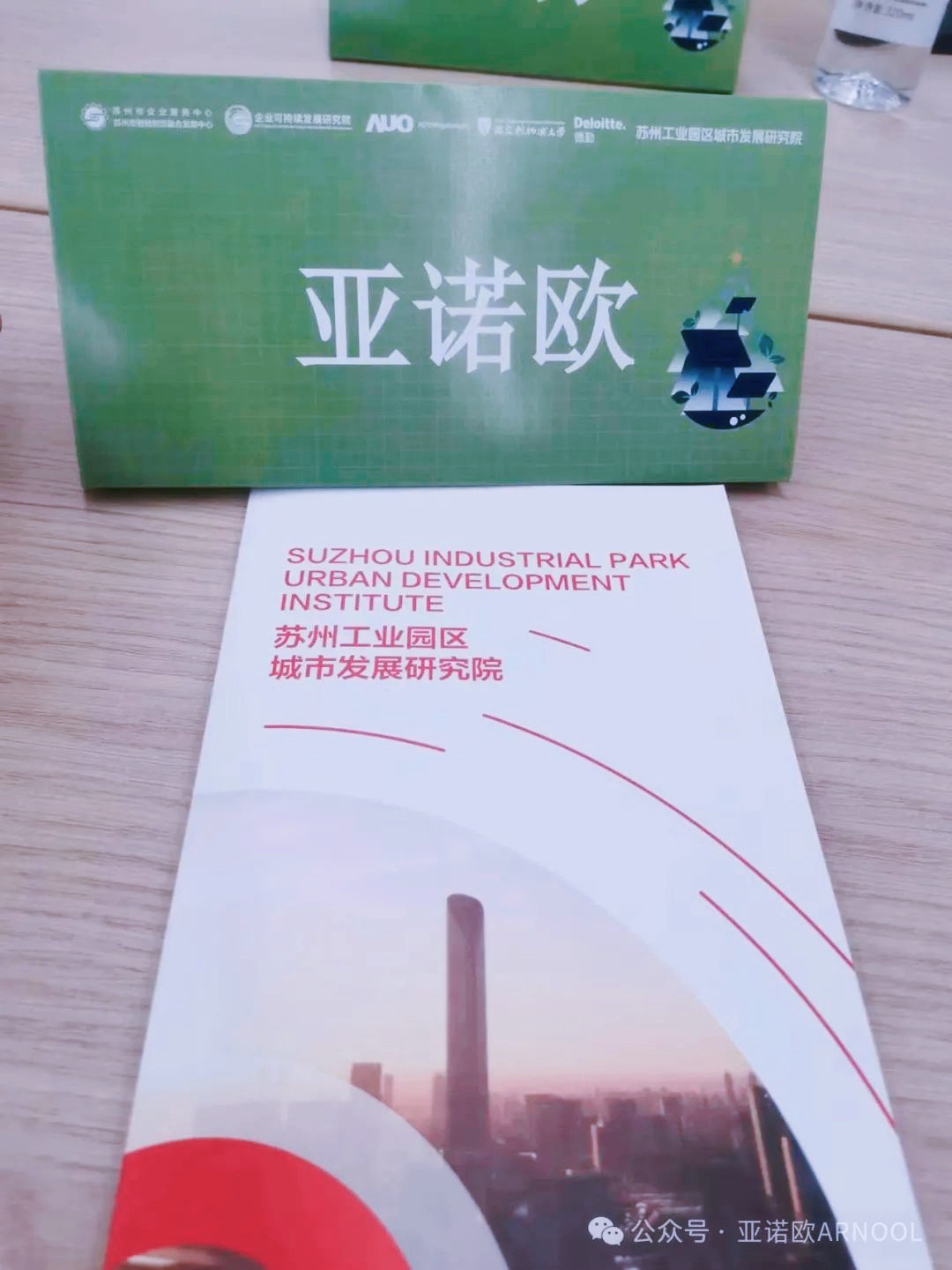

Scan the QR code to follow
ARNOOL
Phone: 0512-66186880
Official Website: www.arnool.com